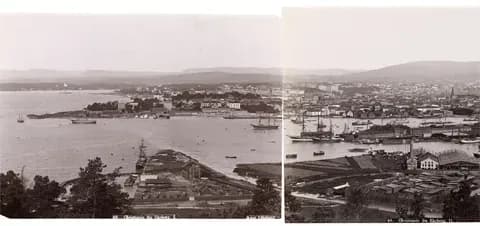
Bjørvika 1840…: A former container port, the name ‘Bjørvika’ is derived from Norse, meaning ‘the city bay’, as the area is located where the Alna River meets the Fjord.
2011: The Amy Franceschini is invited to Norway together with a group of artists and thinkers. Together with her colleagues from Futurefarmers they decide to investigation what public art can be in a public space as Loallmenningen. 
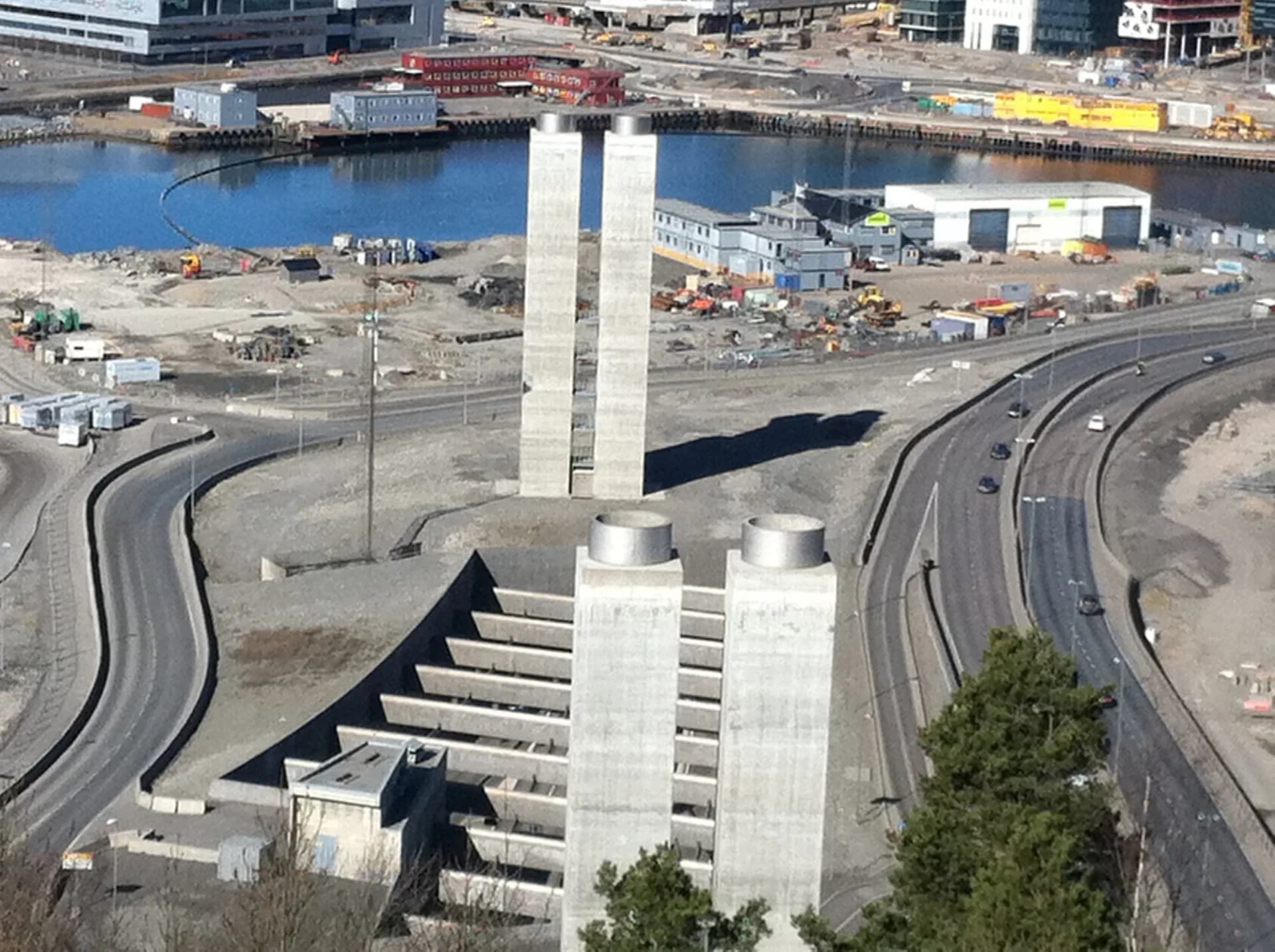
2012: Herligheten Allotment Gardens established
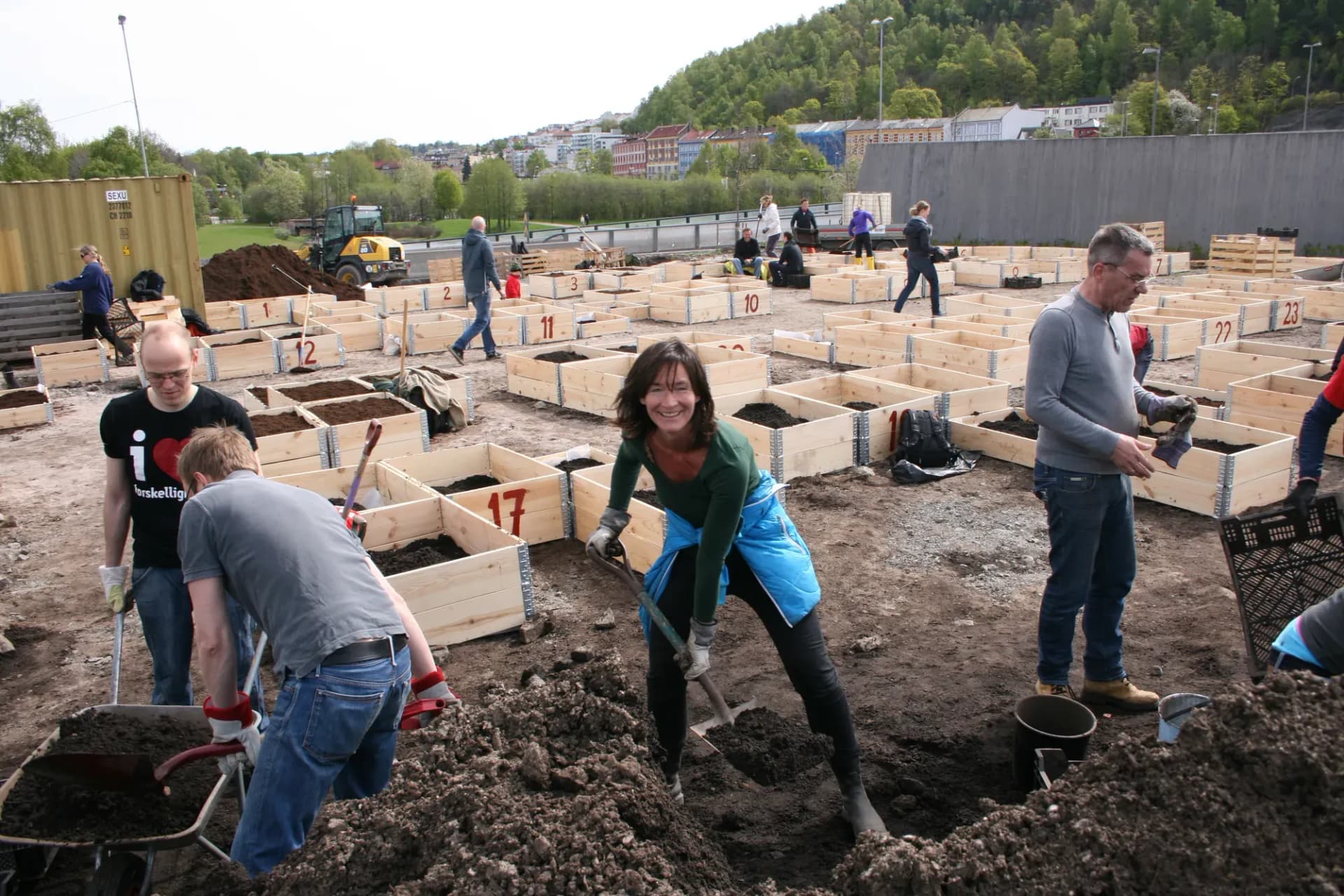
Through an open call in May 2012, Oslo citizens were invited to apply for an allotment box in “Herligheten”. One hundred boxes were given away and four thousand people applied. Today a thriving community of urban gardeners remain.
The project startet up with the intention of 3 seasons, but was expanded year by year due to delays in developing the school at the neighbor plot.
150 people attended the “dugnad” on 13 May 2012 and Herligheten was established! See 1 minute timelap here:
2013: Flatbread Society etablished
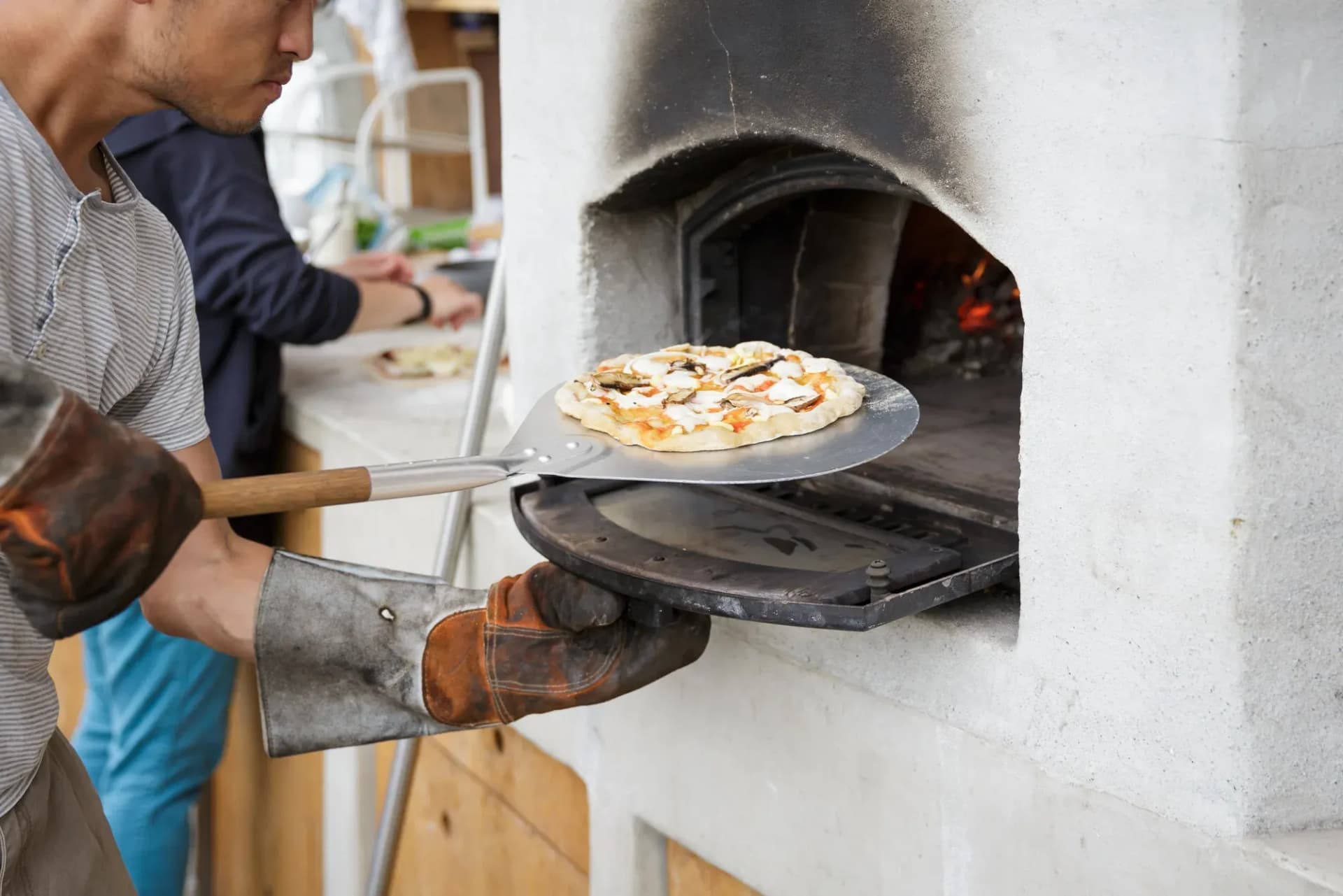
Flatbread Society is a public artwork consisting of an Ancient Grainfield, a Bakehouse and public program initiated by Futurefarmers art collective in 2012. The Grainfield was a field measuring 300 m2 where several types of ancient grain such as Svedjerug (rye), spelt, emmer, einkorn and barley grow, and the Bakehouse is a 100m2 baking facility that forms the nexus of exchange at Losæter; gatherings, workshops and a place to be, bake and exchange ideas and recipes.
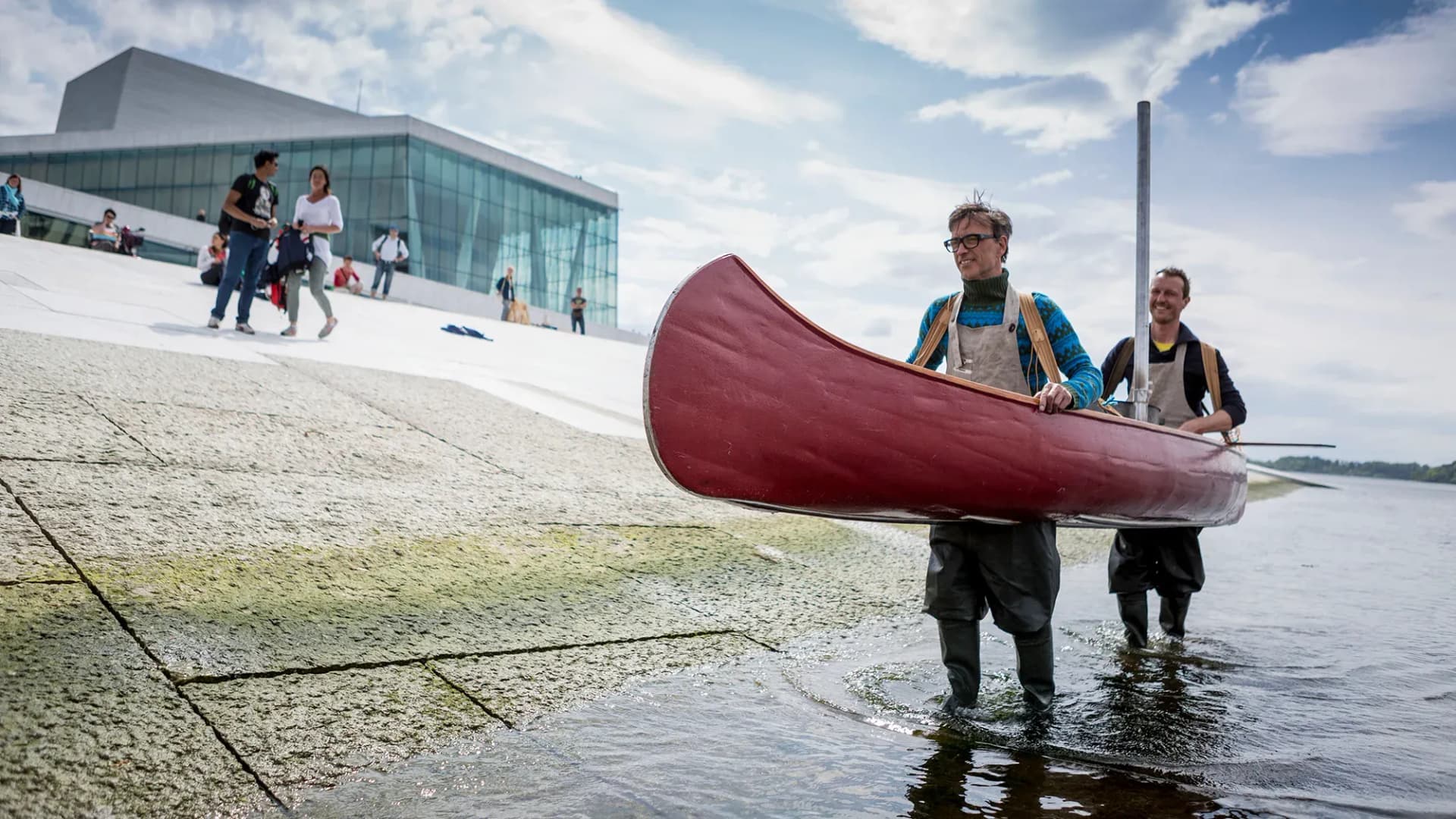
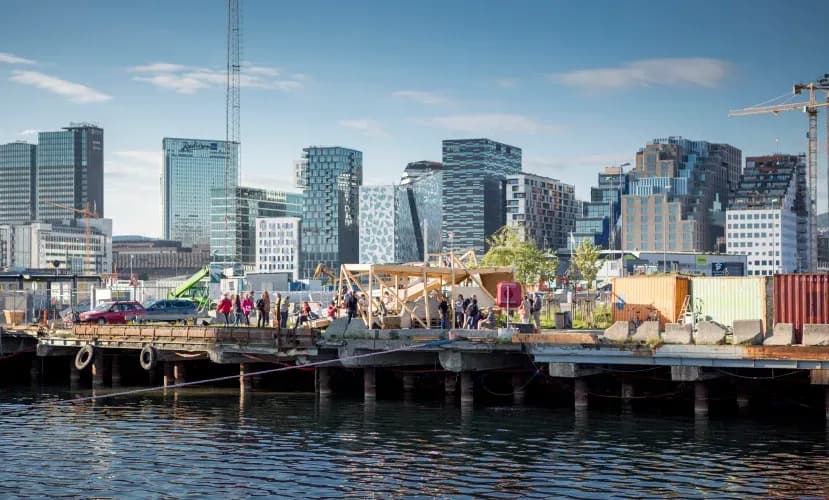
Project director for art, Anne Beate Hovind gives a brief summery of 2013.
2015: Soil Procession + Declaration of Land Use
On June 13, 2015, a procession of 50 Norwegian farmers carried soil from farms as far north as Tromsø and as far south as Stokke to its new home in Oslo. Soil offerings were laid out upon the land ceremony and feast unfolded. On this day the site was named Losæter, and we signed a Declaration of Land Use declaring the Losæter a new cultural institution in Bjørvika.
Video: Svein Kjøde / copyright: Futurefarmers:
The name LOSÆTER
In 2015, an official renaming of the site was established. The collectively coined name “Losæter” combines two Norwegian terms for the commons, “Loallmenning” and “sæter”. “Lo” points to the geographic location of the site being near the water and “sæter” refers the right to put animals to pasture and to put up a house for the summer. Losæter captures spirit of the project at large and connects to Norway’s agricultural heritage in a continuum of past to future. As Losæter evolves, the practice and metaphor of cultivation are linked to larger ideas of self-determination and organic processes in the development of land use, social relations, and cultural forms.
Project director for Art, Anne Beate Hovind på Losæter with a brief summary of 2015 (in Norwegian).
2016: The Bakehouse built at Losæter
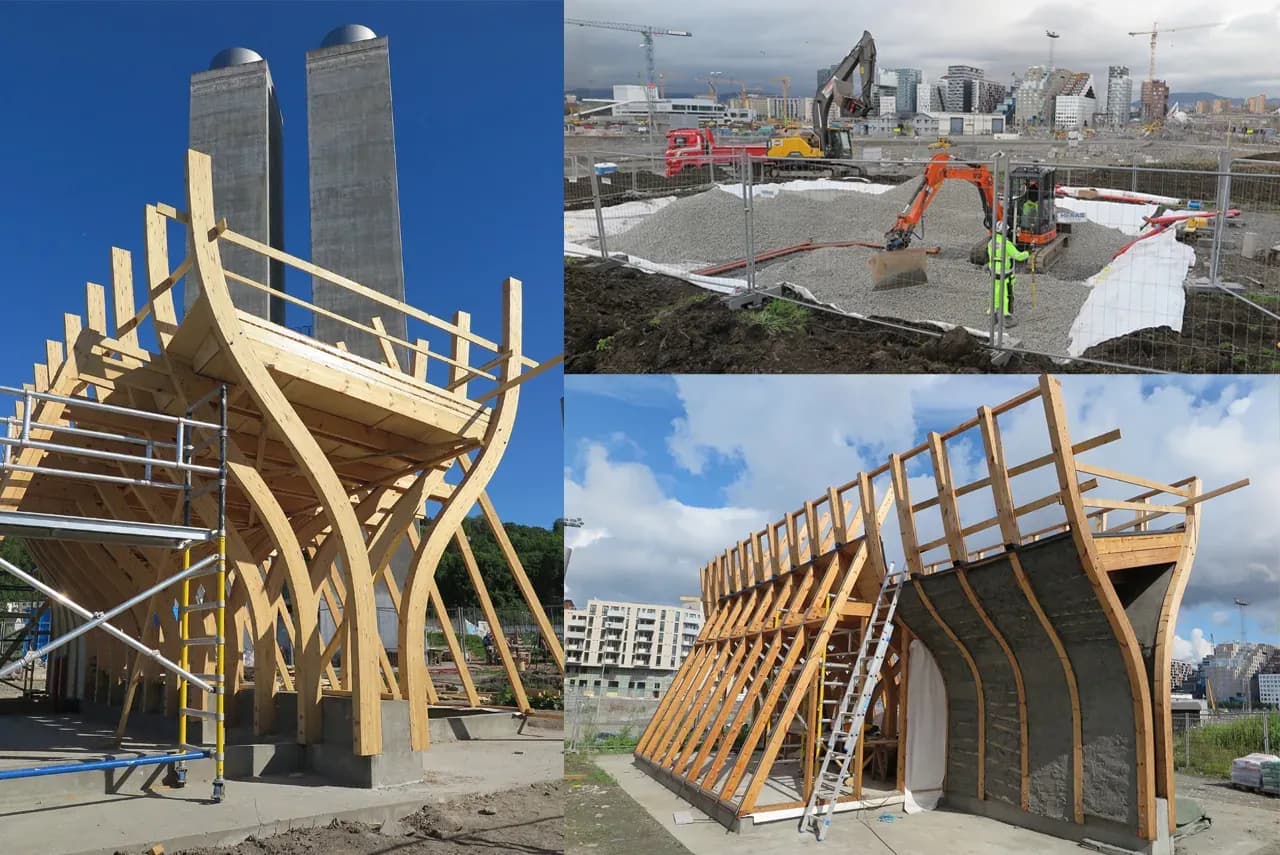
The grain field was sown simultaneously as the bakehouse was risen. See the beautiful art film here:
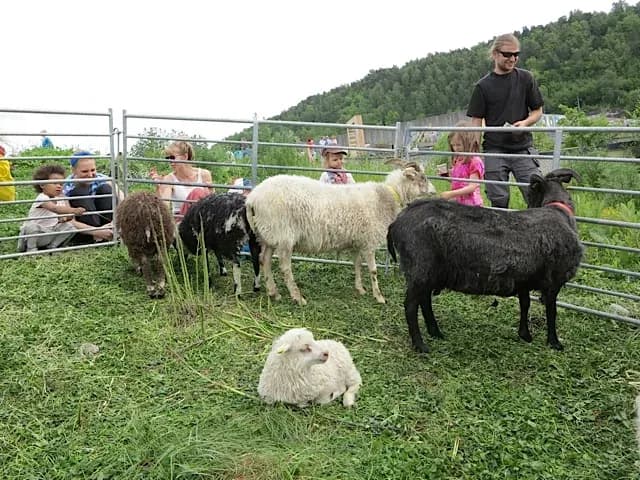
2016: City farmers hired
In April 2016 the first City farmer was hired by the Norwegian Farmers’ Union in collaboration with Bjørvika Utvikling. Andreas Capjon is still working part-time at Losæter.
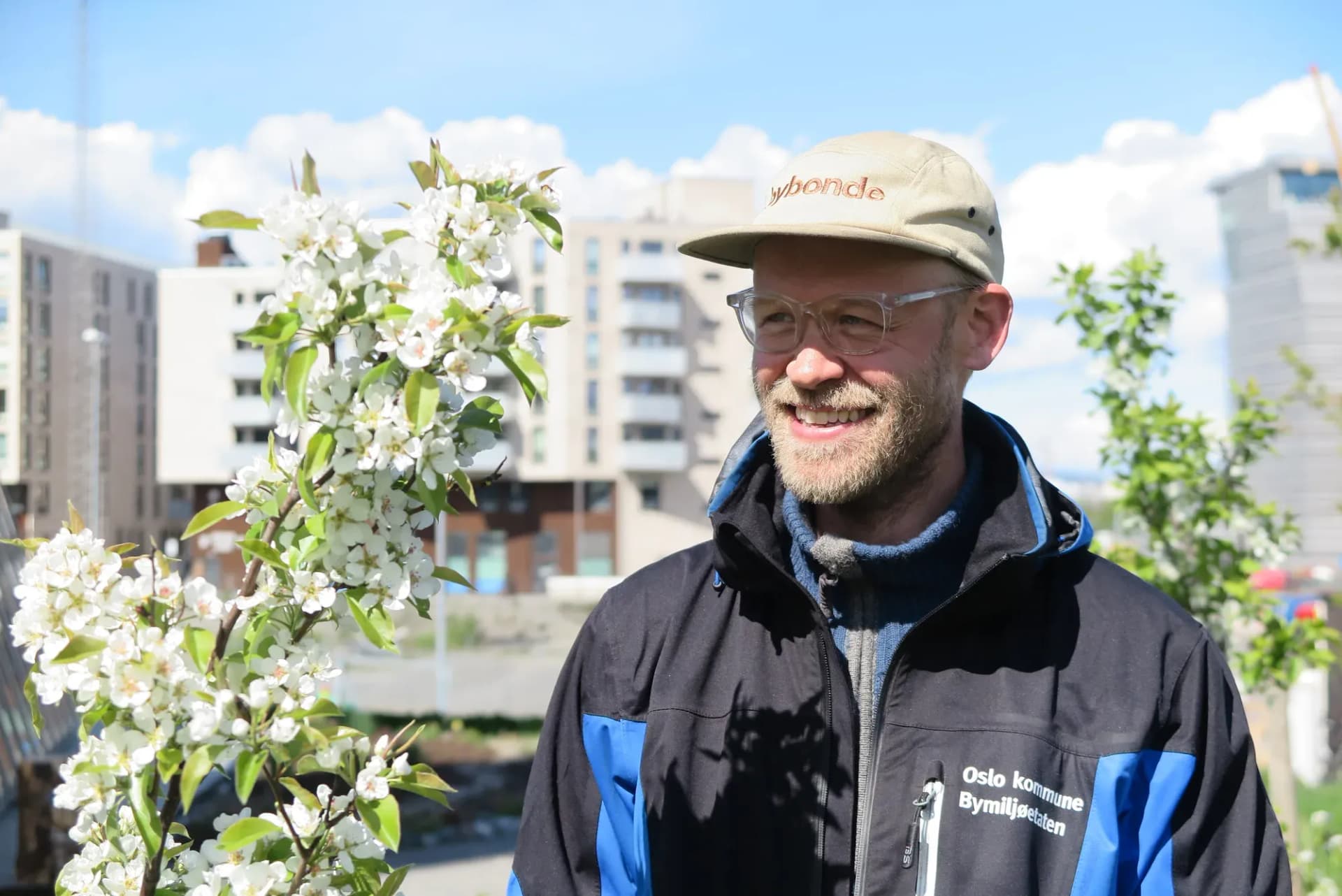
In the spring of 2019 Øystein Hvamen Rasmussen took over the position as city farmer at Losæter. He is employed through the Agency for Urban Enviroment – City of Oslo.
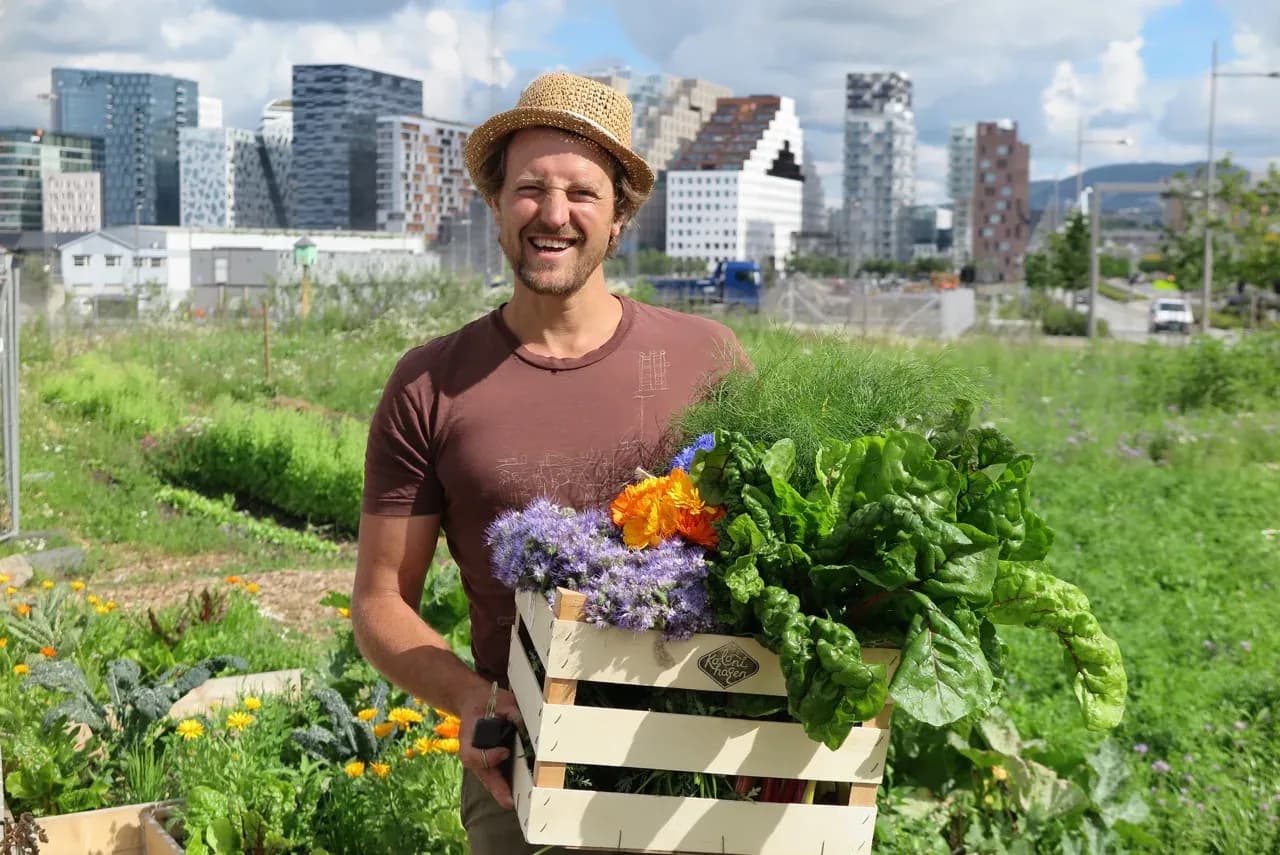

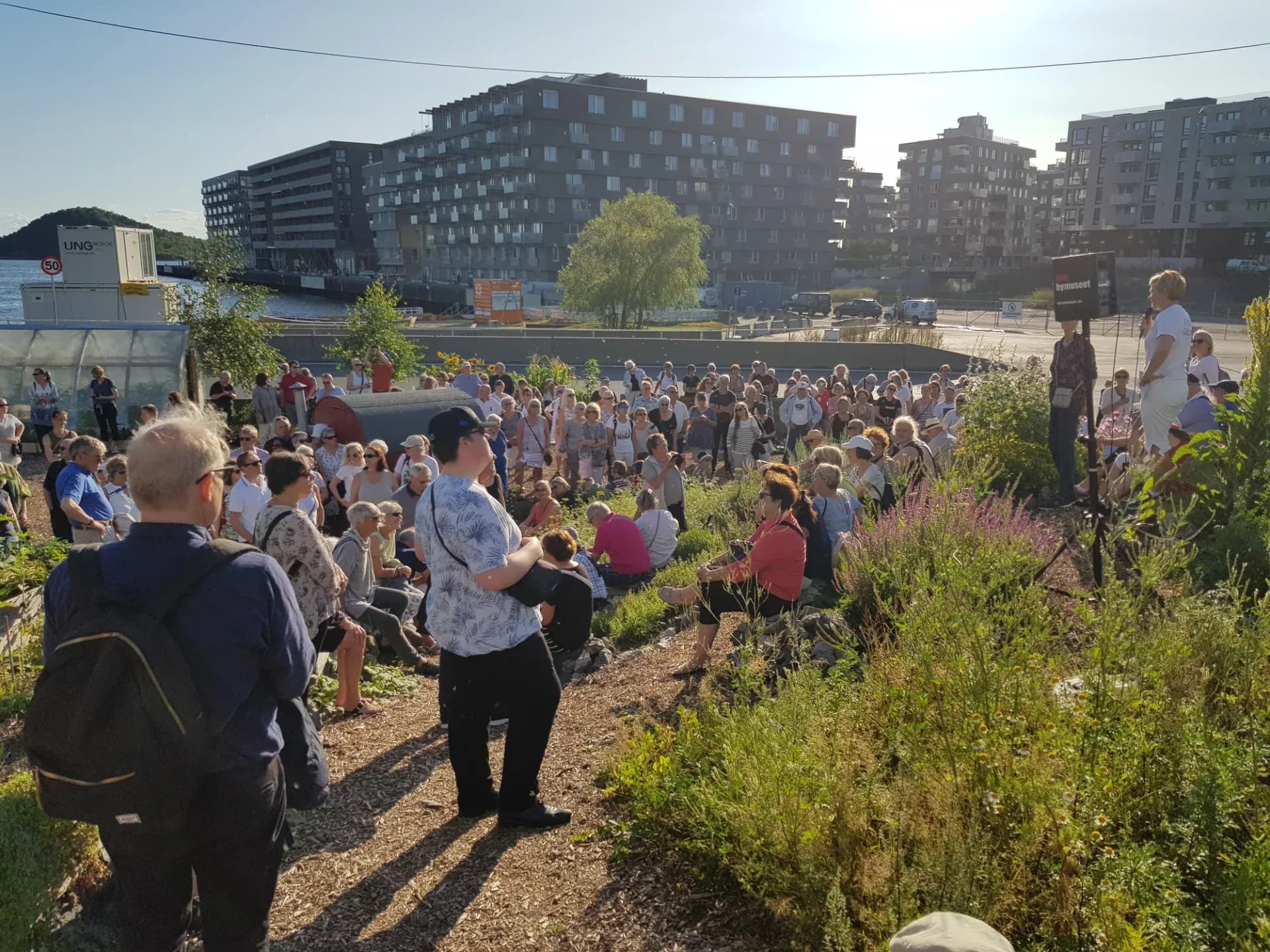
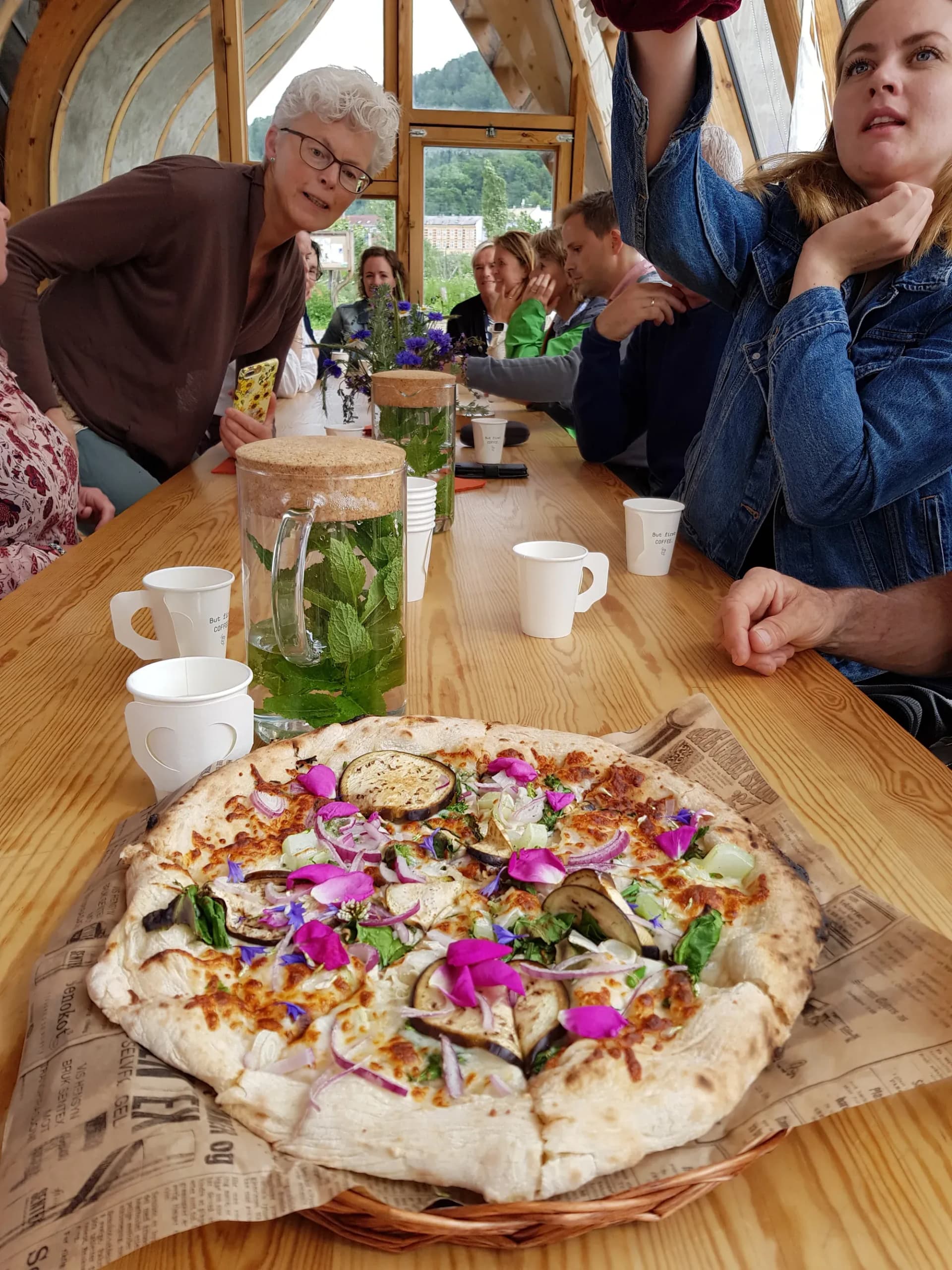
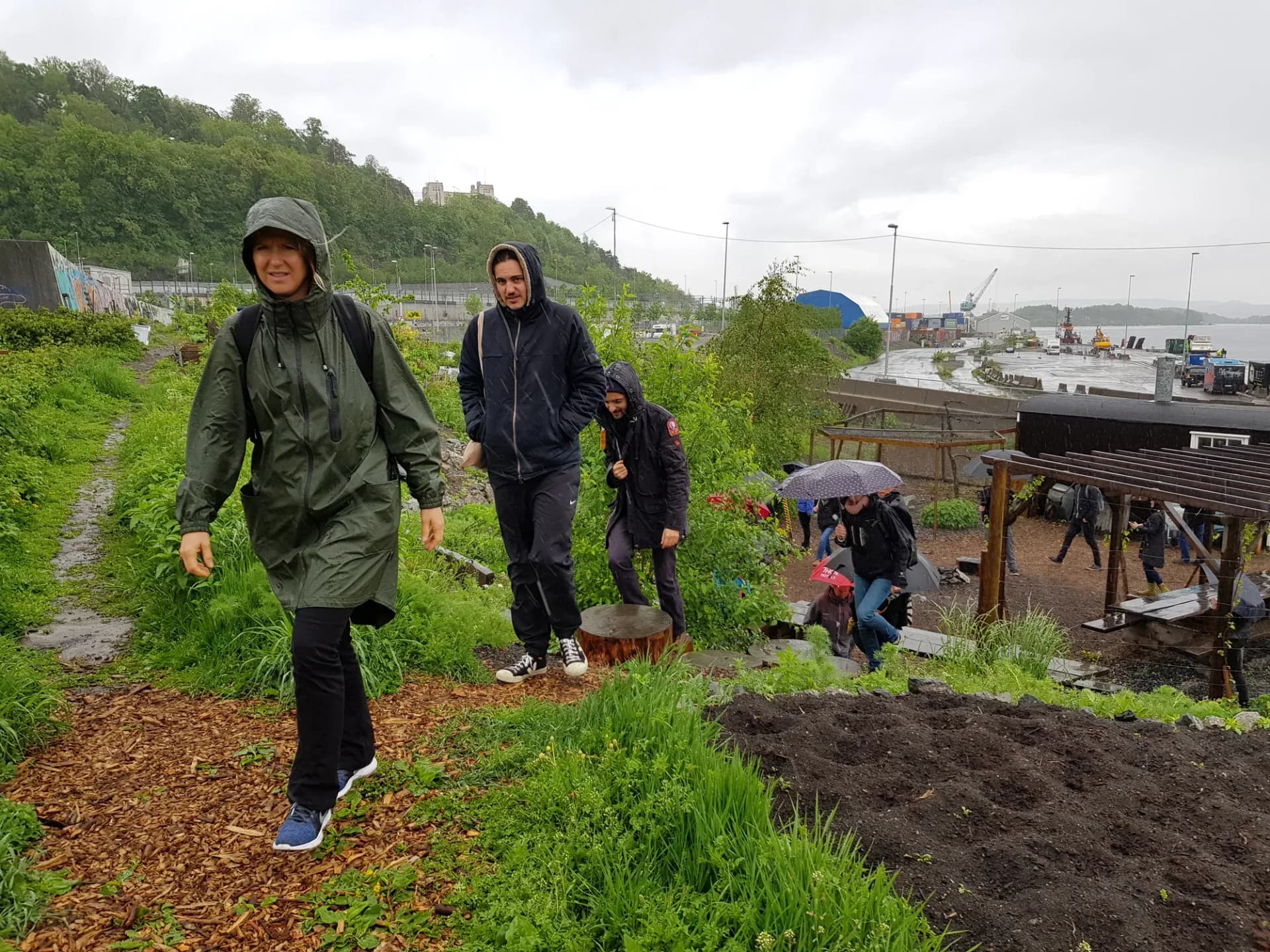
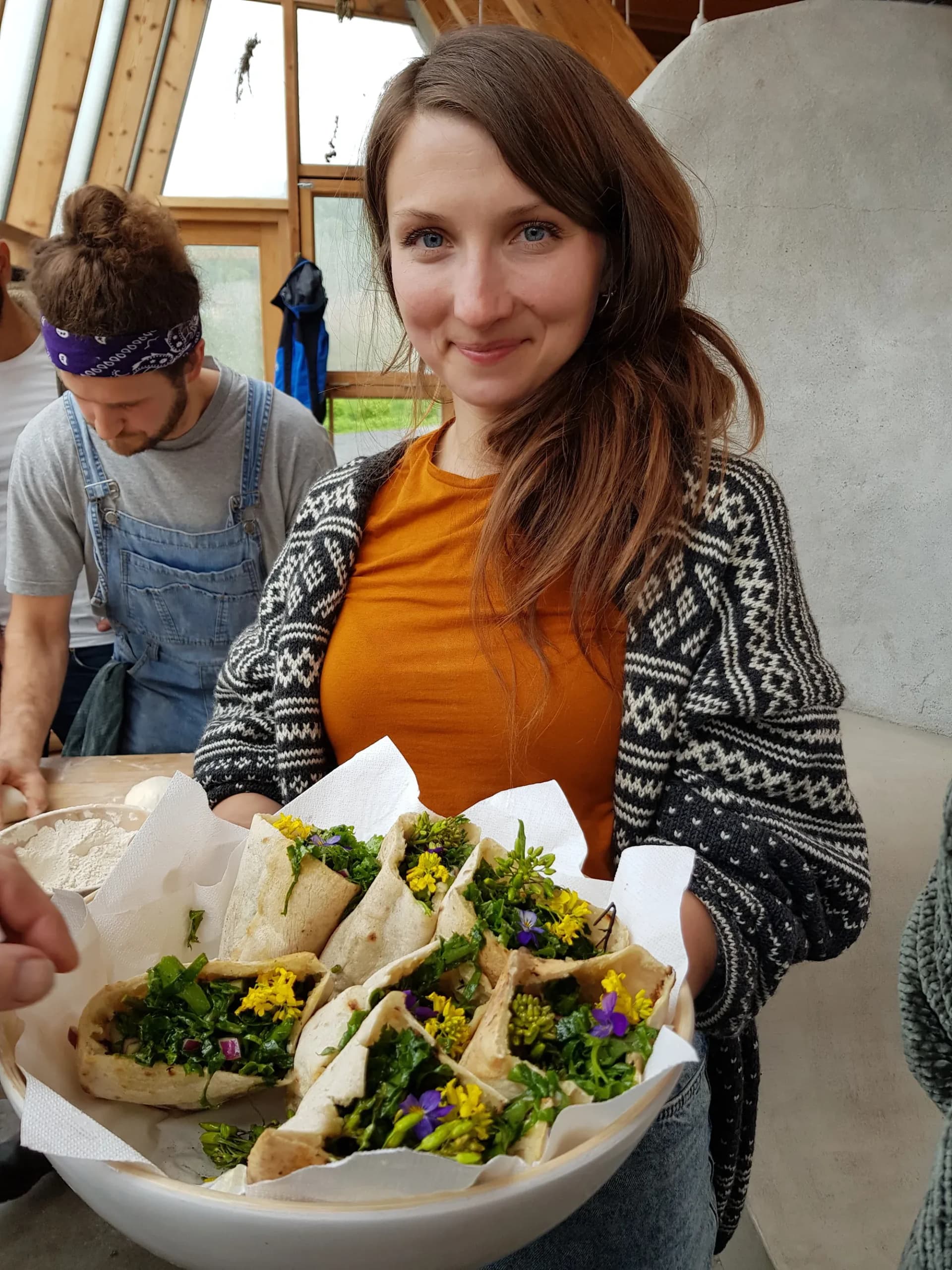
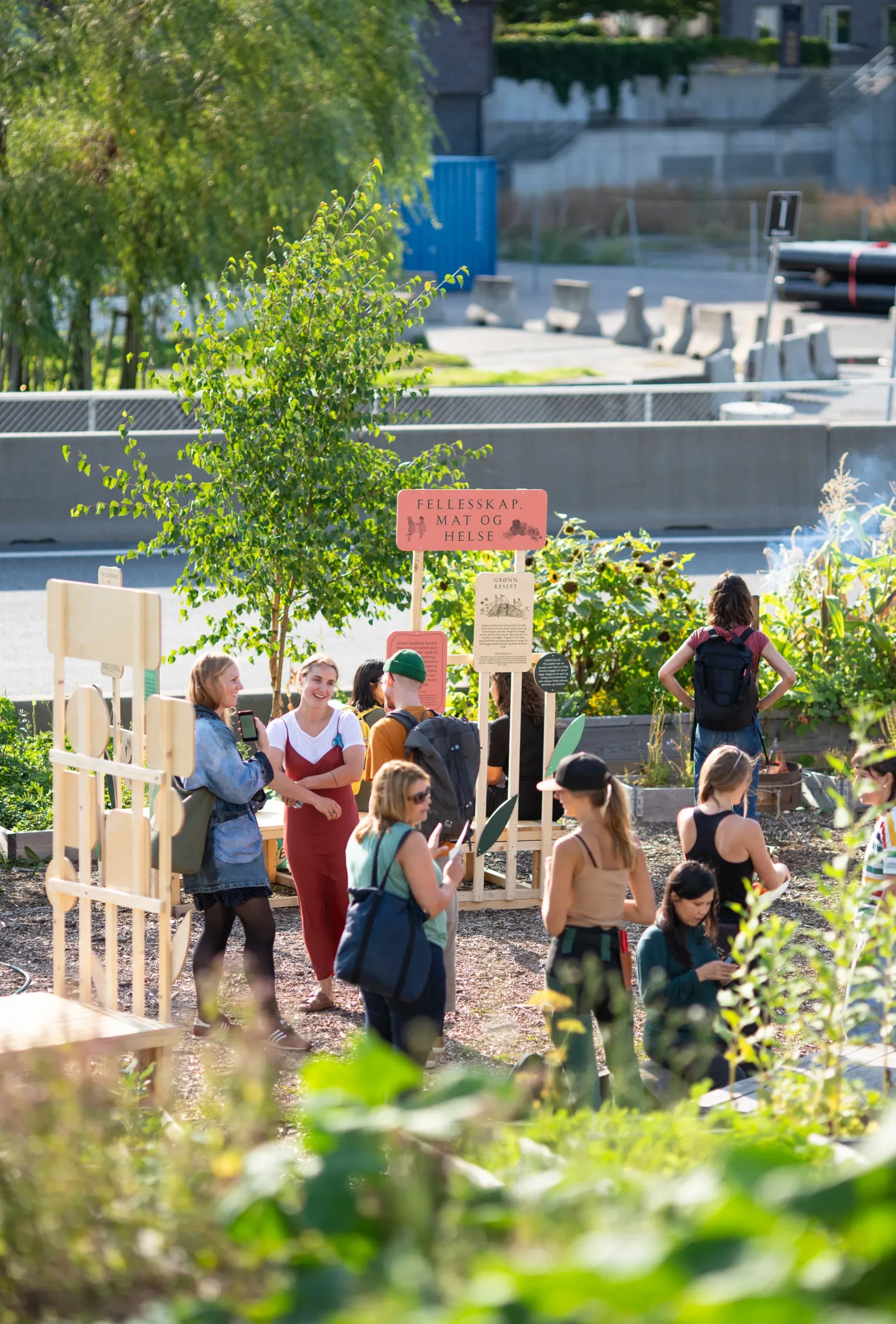
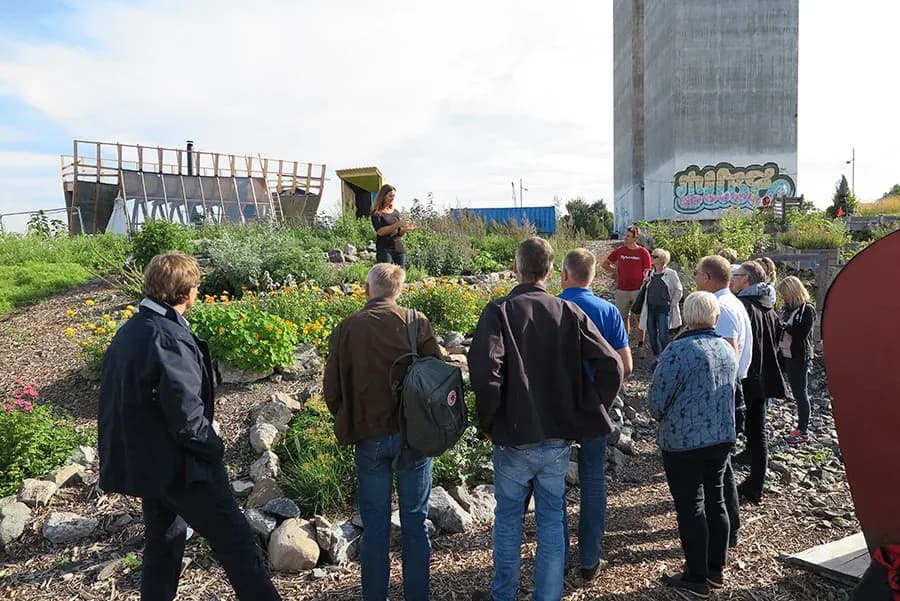
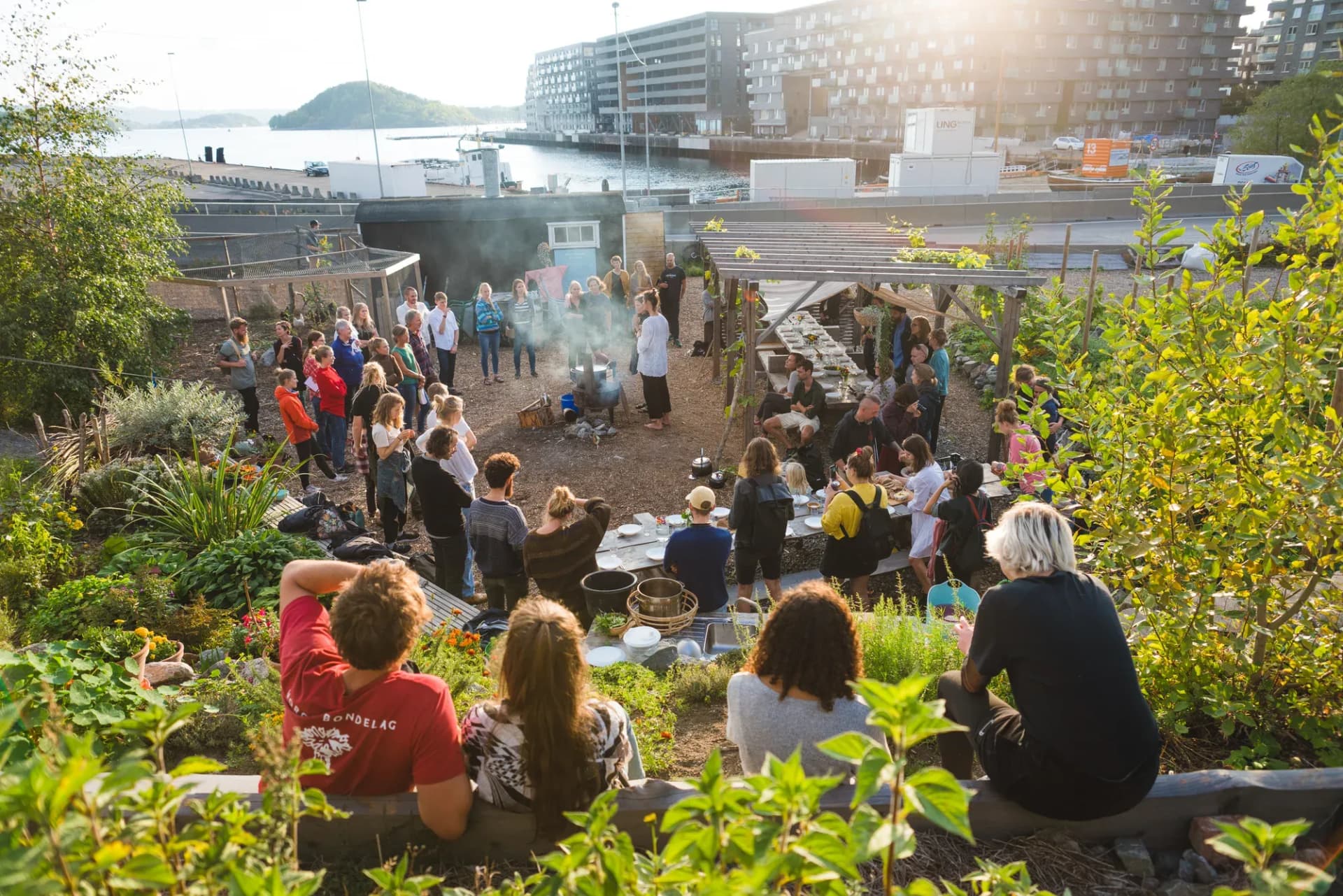
Losæter er nå en moderne park med spiselige planter og et pulserende liv. Her er noen bilder fra onsdagsmiddagene og andre eventer i 2018 og 2019: